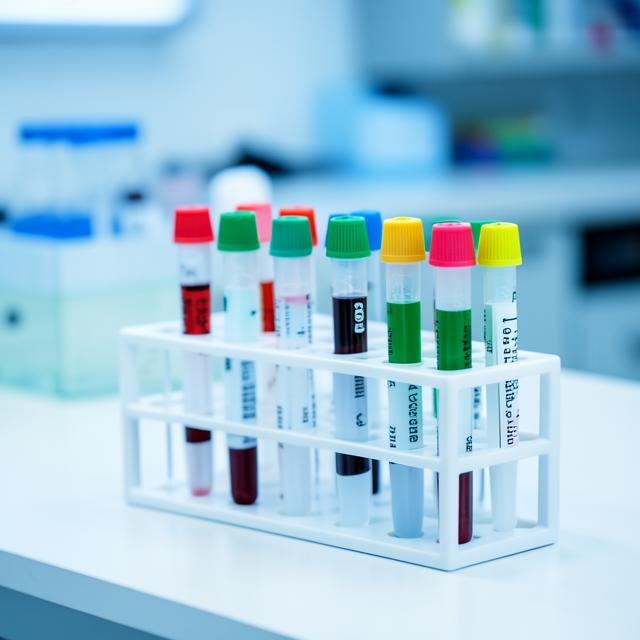
Demystifying Common Blood Panels: What CBC, CMP and Lipids Actually Measure
Three panels cover most routine bloodwork. Here is what each one is really looking at, and why a single flagged value rarely means what people fear.
Plain-language explainers and standard reference ranges across hematology, molecular diagnostics, microbiology, and chemistry. No login required.
Enter your lab values to get plain-language scientific explanations, standard reference ranges, and tailored questions to discuss with your doctor.
Launch Lab NavigatorStart with one of our most-read guides, or type a question above and we'll build a plain-language explainer for you.
Fourteen measurements of kidney function, liver enzymes, electrolytes, and blood sugar — the most common chemistry order in medicine.
Read the explainer HematologyWhat each white-cell type (neutrophils, lymphocytes, monocytes, eosinophils, basophils) says about infection, allergy, and immune status.
Read the explainer UrinalysisColor, clarity, dipstick chemistry, and microscopy — how a urine sample screens for infection, kidney disease, and diabetes.
Read the explainer Clinical ChemistryWhy one A1c reflects roughly three months of average blood sugar, and how it differs from a fasting glucose reading.
Read the explainerLive health & medical science feed for curious readers.
Three panels cover most routine bloodwork. Here is what each one is really looking at, and why a single flagged value rarely means what people fear.
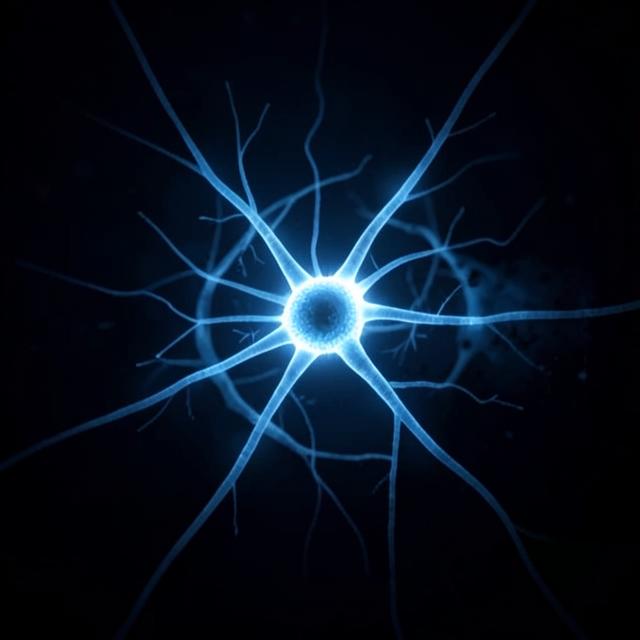
REM sleep switches off the chemistry of alertness and runs the emotional archive. That is why dreams feel vivid, strange, and oddly therapeutic.

Memory is not a recording. It is reconstruction — and the same machinery that lets you forget a parking spot lets you generalize from experience.

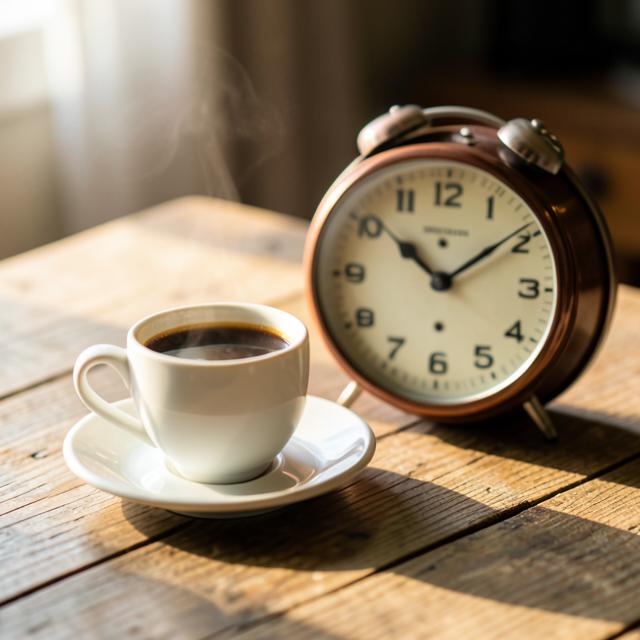
Adenosine builds all day and makes you sleepy. Caffeine blocks the receptor without removing the molecule, which is why the afternoon crash arrives on schedule.

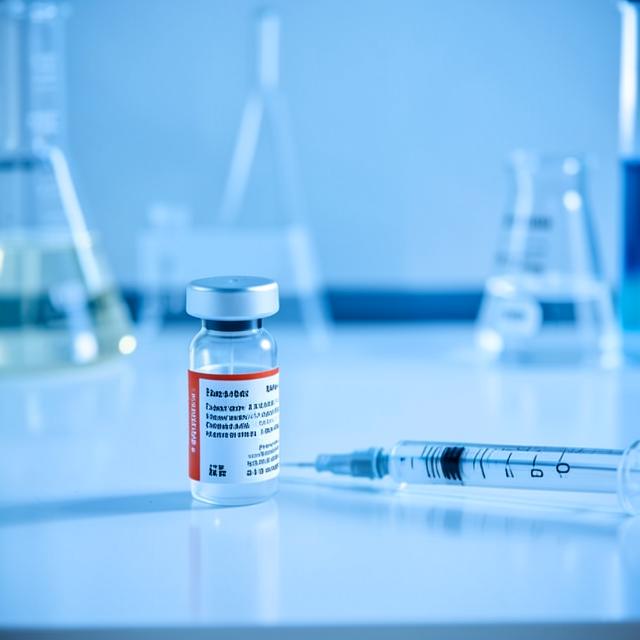
The instructions arrive, the cell builds the target, and the message degrades within days. The interesting part is what else that method can carry.

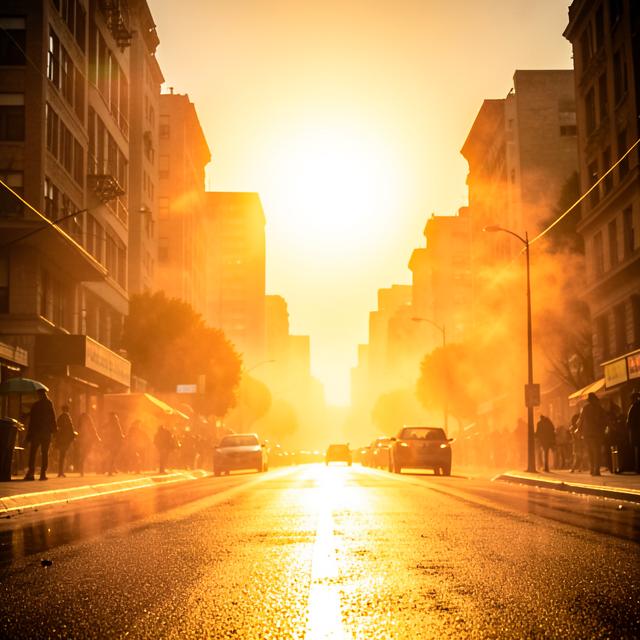
Sweat only cools you when it evaporates. Above a certain wet-bulb temperature, the body's main cooling system stops working regardless of fitness.

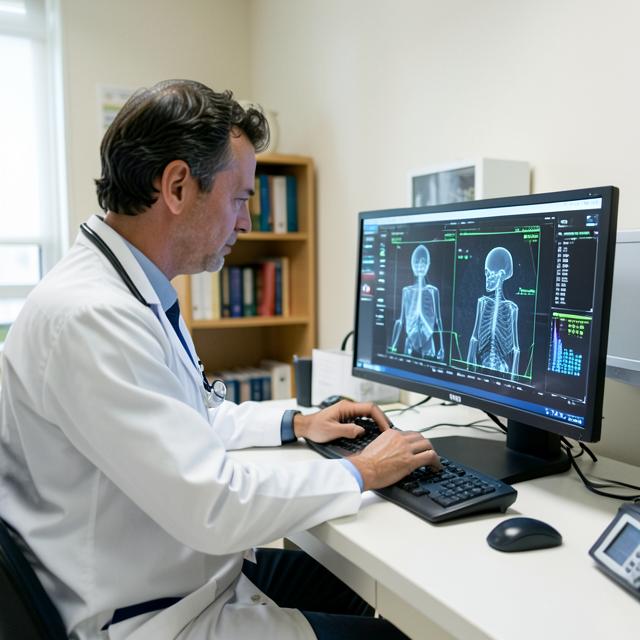
Pattern recognition on images is real and deployed. Autonomous clinical judgment is neither, and the gap between them is where most confusion lives.

Chronic stress keeps cortisol elevated, nudging the immune system into a low simmering inflammatory state that common lab markers can detect.
Immune cells peak at different hours, so the same infection can feel worse at night. Shift work and jet lag scramble that rhythm.
Sodium, potassium and chloride run every nerve signal you have. Water follows salt — which is why plain water alone can't fix heavy sweating.
Mail-in kits scan selected common variants, not your whole genome. A 'risk' result is a population probability, never a diagnosis.
Resting heart rate and overnight variability track your personal baseline — and subtle shifts can appear before you feel unwell.
Grip strength and walking speed predict long-term outcomes better than many expensive screens. Two sessions a week bends the curve.
Slow-wave sleep replays the day's activity, moving fragile short-term traces into durable long-term storage in the cortex.
Microbial metabolites reach the brain through the vagus nerve and bloodstream, shaping mood, appetite and inflammation.
Unlock full adaptive drills, clinical pathways, and custom tracking.
Register or Sign In